Should you rent a car?
If you’re staying in one area and mostly want beach time, taxis and the bus network cover you fine. If you want to chase multiple beaches in a day, explore the French side’s northern coast, eat dinner in Grand Case and be back in Simpson Bay without waiting on a ride, or get up into the hills (Pic Paradis, Loterie Farm), a rental car is worth it. St. Maarten is small enough that most drives are 10-30 minutes.
What you need to rent
- Age: most agencies set the minimum at 21, with a young-driver surcharge common under 25. A few sources cite 18 as a legal minimum, treat 21 as the practical number to plan around.
- License: a valid driver’s license from your home country, ideally in English or Roman characters. An International Driving Permit is recommended, not universally required, check with your specific agency before you fly.
- Payment: a credit card in the renter’s name for the security deposit is standard.
Driving basics
- Drive on the right-hand side, same as the US and Canada.
- Steering wheel is on the left.
- No toll roads anywhere on the island.
- Gasoline is tax-free due to St. Maarten’s free-port status, fuel costs are lower than you’d expect for a Caribbean island.
- Most rentals are automatic transmission with gas engines.
Roundabouts and right-of-way
Roundabouts are common on the island and the general rule is: yield to traffic already circulating. Beyond that, sources genuinely disagree on the specifics, some describe French-side intersections as following a “priority to the right” rule distinct from the Dutch side’s yield-to-turning-traffic convention, others describe the two sides as functionally identical. We’re not resolving that disagreement with a guess. If you’re not sure at an unmarked intersection, the safe default used across every source is: slow down, make eye contact, and let the more cautious driver go first, which matches multiple sources’ note that St. Maarten drivers are generally courteous and will wave you through.
Speed limits
Reported ranges vary by source: roughly 30 to 50 km/h in towns and up to 60 to 80 km/h on open roads. No authoritative government source publishes the current posted limits, so this is a range rather than a number. Watch the signage, it is more reliable than any figure on this page.
Road conditions
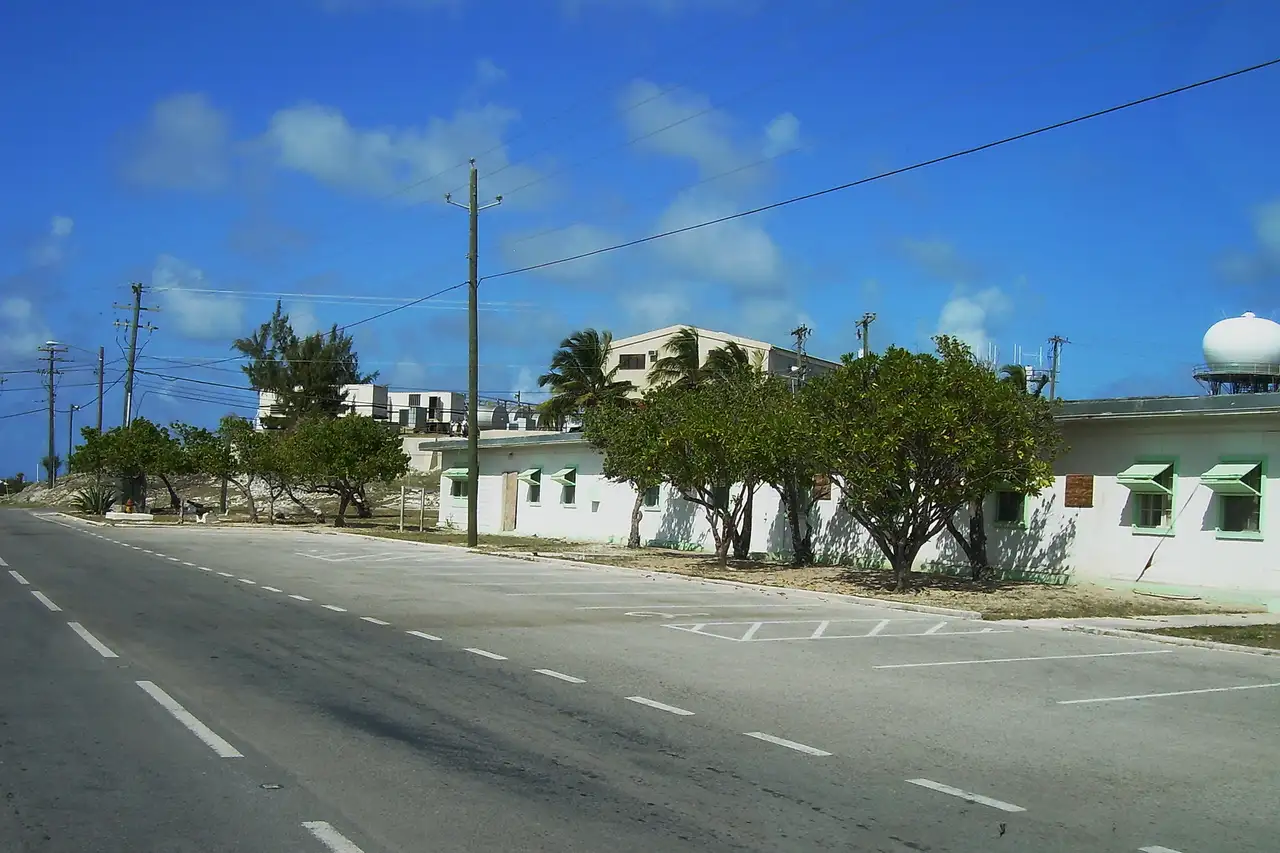
Main roads are paved and generally in good shape. Secondary and hillside roads, especially heading up toward Pic Paradis or through more rural areas, can be narrow, winding, and occasionally potholed. Slow down on unfamiliar roads, especially after rain.


Legal and safety notes
- Handheld phone use while driving is prohibited, hands-free is fine
- Seatbelts mandatory for all occupants
- There’s no border checkpoint between Dutch Sint Maarten and French Saint-Martin, just a sign marking the change, crossing back and forth is normal and unrestricted
- Confirm with your specific rental agency that insurance coverage extends to both sides of the island, most do, but it’s worth the 30-second question
- Livestock (cows, goats) crossing rural roads is a real and commonly mentioned hazard, not an exaggeration


Where to rent
International brands with an island presence: Hertz, Europcar, Sixt, Budget, Fox Rent A Car, most with counters at or near Princess Juliana International Airport.
Locally owned options: Leisure Car Rental (Simpson Bay, airport pickup) and Sax Car Rental (airport shuttle and cruise terminal delivery) are two locally owned agencies that also arrange onward rental packages for day trips to Saba, Statia, and Anguilla.
Most agencies offer airport pickup, hotel delivery, or cruise terminal delivery. Popular vehicle choices for the island’s terrain include compact SUVs (a Suzuki Jimny or similar is frequently recommended for hillier routes).
Parking
Parking is generally available but can be tight in busy areas: Philipsburg (especially near Front Street) and Simpson Bay during peak hours. Free street parking exists but watch for posted no-parking signage rather than assuming.
Back to the transportation hub for every other way around the island, or the plan your trip hub for the rest of the trip.